

The oBike exit is not just unethical, it should be illegal

Regulations are no excuse for running away with user deposits
In Singapore, because the government takes an active role in the day-to-day lives of its citizens, it has set itself up to receive constant criticism.
Whether it is road-tolls, the education system or environmental concerns, the system in the Lion City is built in such a fashion that the weight of local failures is placed on the shoulders of various government agencies. In many respects, this is the role of any leader, to absorb failures and take the heat.
The reward is they also get credit for the wins.
However, in many cases, the government has no actual effect on whether or not something fails in the private sector. There is a need to recognise when it is being used as a crutch to deflect responsibility for private sector failures.
This is exactly what is happening in the case of oBike.
Why oBike failed
oBike wants to tell the public that it failed because of cumbersome regulations set down by the Land Transit Authority. It claimed that these rules would cripple a “dockless bicycle sharing service that would benefit users’ commuting and Singapore’s transportation system”.
To borrow a phrase from our English friends, that is bollocks.
oBike failed because it fell into the honey trap of arrogance that befalls many foreign companies when they enter new markets.
Yes, the company is Singaporean, but it was founded by Chinese nationals in a fairly naked attempt to take what worked in China and copy-paste it to Southeast Asia.
The strategy goes a such: Launch the service at a steep discount, vomit bikes all over the city (oBike grew from 1,000 to 14,000 bikes in a course of one year) and once people embrace the lifestyle, raise prices to hopefully achieve profitability from scale.
The blueprint requires impressive execution, dedicated focus and, as is the case of Mobike in China, help from a larger company.
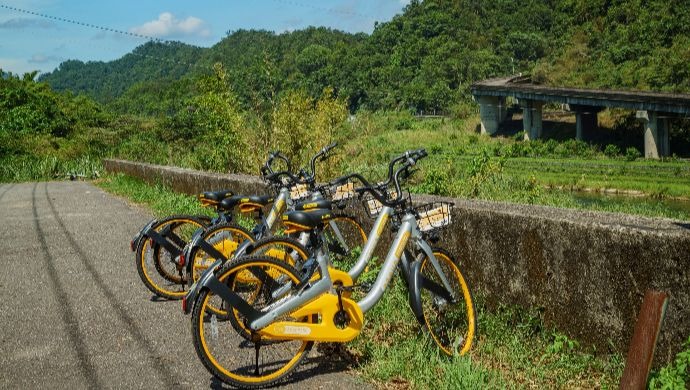
Not only did oBike have none of these, it never valued the legitimate concerns of citizens who hated their neighbourhoods being trashed by bikes or ex-users who got fed up of finding bikes with missing pedals or seats.
Eventually, the company failed, which happens. e27 rarely publicly shames a company for going out of business but in this case the big issue surrounds lost deposits. Most oBike users are now resigned to the reality that they are unlikely to get a refund on their deposits.
It is the lost deposits that take the oBike mess from a spectacular failure to an ethical (and maybe legal) quagmire. oBike did not treat their users like customers, they treated them like a bank account.
“The current negative sentiment comes from a multi-year build up of inconvenience and eyesore due to irresponsible parking, that has now culminated in irresponsible market exits with the hapless consumer continuing to be the one to bear the brunt of the impact with lost deposits,” said Jasmine Toh, a Senior Analyst at Quest Ventures, when asked about the closure.
Toh also said oBike needs to “exercise their responsibility to the public” and clean-up the exit process.
Also Read: The China that can be understood is not the real China
The Consumers Association of Singapore has apparently told oBike that the messy exit is “unethical and unacceptable”.
Because CASE and Quest Ventures holds a professional reputation in Singapore they have to choose their words carefully. I am bound by no such constraints and can just call it what it is.
It is stealing.
Breaking down the LTA regulations
The reason the LTA regulations are a crumbling excuse is because they are not particularly cumbersome and do have room for flexibility.
The key points of the regulations are as follows:
- The government will cap a company’s fleet size according to their ability to regulate indiscriminate parking and build good user behaviour.
- It will institute geo-fencing so users will have to park in a certain area to end their trips.
- It will force companies to ban or suspend users who are flagrant violators of the rules.
- Unlicensed operators will be faced with a S$10,000 (US$7,400) fine or six-months in jail or both.
Not only do these regulations sound fairly reasonable (except maybe the whole jail thing) they appear to be a net positive to a well-run company.
For companies like Mobike and Ofo, a regulatory cap on fleet size is a can help streamline resources. Currently, there is far more bike-supply than user-demand. Based on how the LTA has handled previous startup regulations, I would expect the cap to be fairly high, which would allow these companies to better deploy resources.
Newsletter
Get updates straight to your inbox
It also provides legal excuse to ban bad-users, which may be the biggest hurdle for bike-sharing’s public sentiment. I have personally witnessed a couple take two bikes and, instead of leaving them on the grass like civilised human beings, take an immense amount of effort to ‘park’ them in one of the many rainfall canals that are common across the city.
It would be nice to have a government-endorsed justification to ban this couple right? I would think so.
In 2016, when the LTA began to clarify its regulations for Grab and Uber, it did not have the impact of driving them out of business. Rather, it legitimised the industry and helped riders/drivers feel more confident that their participation on the platform was above board.
In the coming years, fintech, e-commerce, AI and nearly every disruptive industry will face regulatory shifts. It’s just part of business.
Also Read: 4 collegiate hacks that will set you up for business success
Now it is bike-sharing’s turn. The industry would inevitably have to mature and the rules laid out by the LTA provide a light push towards that outcome.
To use these rules as an excuse to pull out of the city, and take customer’s deposits along the way, is beyond unethical.
It should be criminal.
—
Copyright: kitleong / 123RF Stock Photo
The post The oBike exit is not just unethical, it should be illegal appeared first on e27.
Source: e27